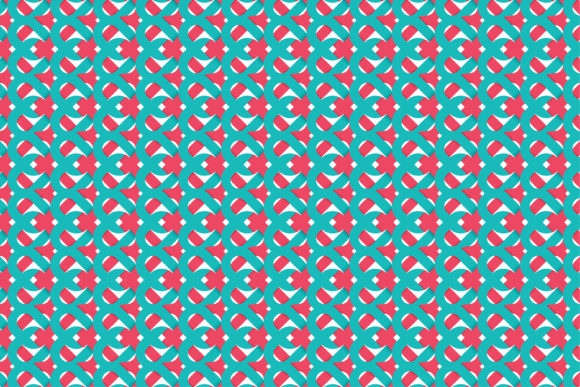
Chain Links Seamless Pattern: A Harmonious Blend of Turquoise and Pink
Introduction to Chain Links Seamless Patterns
A chain links seamless pattern is a versatile and visually appealing design element that can be used in various creative projects. This article explores the unique characteristics and applications of chain links patterns, particularly those featuring a harmonious blend of turquoise and pink colors.
Understanding Chain Links Patterns
Chain links patterns are designs that feature interlocking or linked elements, often resembling the structure of a chain. These patterns are known for their endless and repetitive nature, making them ideal for creating seamless backgrounds and textures.
The Significance of Chain Links in Design
Chain links patterns are not just aesthetically pleasing; they also carry symbolic meanings. In many cultures, chains represent strength, unity, and connection. This makes chain links patterns a popular choice for designs that aim to convey these values.
Turquoise and Pink: A Colorful Combination
The combination of turquoise and pink in chain links patterns creates a vibrant and eye-catching visual effect. These colors, when used together, bring a sense of freshness and energy to any design.
Why Turquoise and Pink Work Well Together
- Complementary Colors: Turquoise and pink are complementary colors, which means they sit opposite each other on the color wheel. This contrast enhances the visual appeal of the design.
- Emotional Impact: Turquoise is often associated with calmness and tranquility, while pink is linked to warmth and affection. Together, they create a balanced and emotionally engaging design.
Applications of Chain Links Seamless Patterns
Chain links seamless patterns have a wide range of applications in both digital and physical design projects. Here are some common uses:
- Wallpaper and Textile Design: Chain links patterns can be used to create unique wallpaper and textile prints, adding a modern and trendy touch to interior spaces.
- Graphic Design Elements: These patterns can be incorporated into logos, banners, and other graphic design elements, providing a decorative and cohesive look.
- Fashion and Accessories: Chain links patterns are popular in fashion, appearing on clothing, accessories, and even jewelry, offering a stylish and contemporary aesthetic.
- Web and UI Design: In web and user interface (UI) design, chain links patterns can be used as background textures or decorative elements, enhancing the overall visual experience.
Creating Chain Links Seamless Patterns
Designing chain links seamless patterns requires a good understanding of geometric shapes and repetition. Here are some steps to create your own chain links pattern:
- Choose Your Colors: Select a color palette, such as the turquoise and pink combination, that complements your design theme.
- Sketch the Chain Link: Draw a single chain link, focusing on its shape and details. This will serve as the building block for your pattern.
- Arrange the Chain Links: Arrange the chain links in a repetitive and seamless manner. Use software like Adobe Illustrator or Photoshop to ensure the pattern tiles seamlessly.
- Test and Adjust: Test the pattern by applying it to a larger area and make adjustments as needed to achieve a perfect seamless effect.
Chain Links Patterns in Different Cultures
Chain links patterns are not limited to one culture. They have been used in various forms across different regions, each with its own unique style and significance:
- Arabic and Islamic Art: Chain links patterns are often found in Arabic and Islamic art, where they are used to create intricate and detailed geometric designs.
- Indian and Oriental Designs: In Indian and Oriental designs, chain links patterns are used to create ornamental and decorative motifs, often incorporating floral and mandala elements.
- Modern and Abstract Art: In modern and abstract art, chain links patterns are used to create bold and minimalist designs, often featuring polygonal and grid-like structures.
Conclusion
Chain links seamless patterns, especially those featuring the vibrant combination of turquoise and pink, offer a versatile and visually appealing design option. Whether used in wallpaper, textiles, fashion, or web design, these patterns add a touch of elegance and modernity. By understanding the principles behind chain links patterns and their cultural significance, designers can create innovative and meaningful designs that resonate with a wide audience.
Further Reading and Resources
To learn more about chain links patterns and their applications, consider exploring the following resources:
- Adobe Creative Cloud for tools and tutorials on creating seamless patterns.
- Canva for easy-to-use design templates and inspiration.
- Unsplash for high-quality chain links pattern images and references.