Exploring the Versatility of Tropical Patterns: A Guide for Design Enthusiasts
Tropical patterns, with their vibrant and lush designs, have become a popular choice for adding a touch of nature and vibrancy to various design projects. These patterns, often featuring colorful tropical leaves and flowering motifs, are not just visually appealing but also highly versatile. This article delves into what makes tropical patterns distinct and how they compare to other design options, helping you make an informed decision based on your specific needs.
Understanding the Tropical Pattern
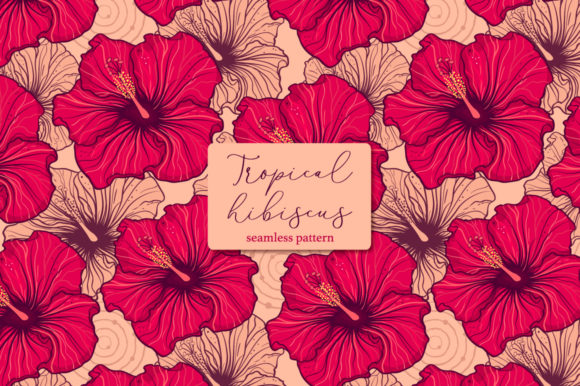
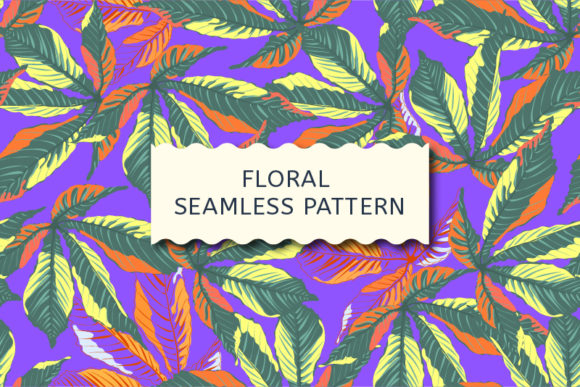
Tropical patterns are characterized by their bold, vivid colors and intricate designs that typically include large, leafy foliage and bright, exotic flowers. These elements create a lively and energetic atmosphere, making them perfect for both interior and exterior design applications. The Tropical Pattern in particular stands out with its seamless integration of botanical elements, creating a cohesive and continuous design that can be used across a wide range of surfaces.
Distinct Features of Tropical Patterns
- Vibrant Colors: Tropical patterns use a palette of rich, saturated colors that evoke the warmth and energy of tropical climates.
- Detailed Foliage: The intricate details of the leaves and flowers add depth and texture, making the pattern visually engaging.
- Seamless Design: The seamless nature of the pattern ensures that it can be repeated without visible breaks, ideal for large-scale applications.
Comparing Tropical Patterns with Other Design Options
While tropical patterns offer a unique and vibrant aesthetic, they are just one of many design options available. Here’s how they compare to some popular alternatives:
Tropical Patterns vs. Geometric Patterns
Geometric patterns, with their clean lines and structured shapes, provide a more modern and minimalist look. In contrast, tropical patterns bring a natural, organic feel. If you prefer a sleek, contemporary style, geometric patterns might be more suitable. However, if you want to add a splash of color and a sense of the outdoors, tropical patterns are a great choice.
Tropical Patterns vs. Floral Patterns
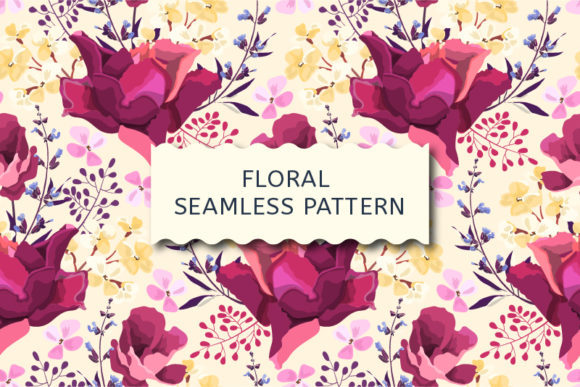
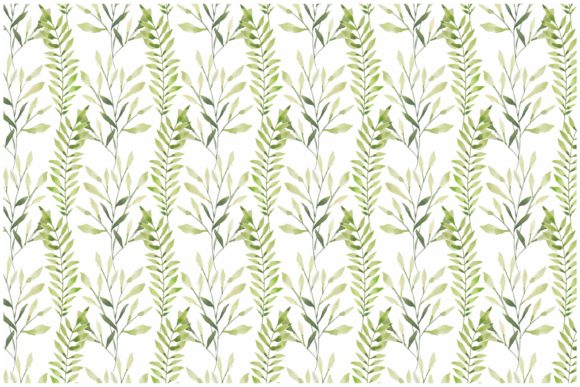
Floral patterns, while also featuring flowers, tend to be more delicate and pastel in color. They are often associated with a more traditional or romantic aesthetic. Tropical patterns, on the other hand, are bolder and more vibrant, making them ideal for creating a statement piece or adding a dramatic focal point to a room.
Tropical Patterns vs. Abstract Patterns
Abstract patterns, with their non-representational forms, offer a more artistic and creative approach. They can be highly expressive and versatile, but they may lack the specific, nature-inspired charm of tropical patterns. If you are looking for a design that is both eye-catching and grounded in the natural world, tropical patterns are a strong contender.
Strengths and Tradeoffs of Tropical Patterns
The strengths of tropical patterns lie in their ability to bring life and energy to any space. They are particularly effective in creating a relaxed, vacation-like atmosphere, making them a popular choice for summer-themed designs or coastal interiors. However, these patterns can also be quite bold and may not be suitable for all design styles or spaces. For example, in a more formal or minimalist setting, the vibrant and detailed nature of tropical patterns might be too overwhelming.
Best-Fit Situations for Tropical Patterns
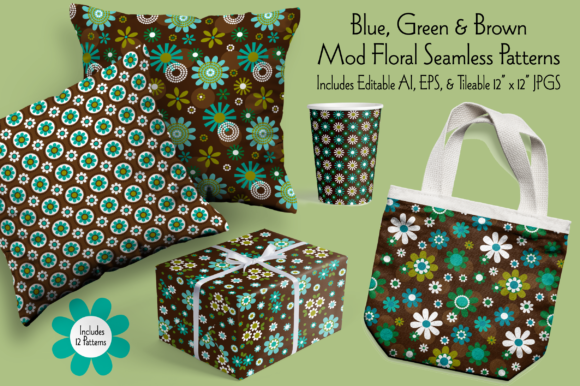
- Interior Textiles: Use tropical patterns for curtains, cushions, and upholstery to add a touch of the tropics to your living space.
- Wallpaper: Create a feature wall with tropical wallpaper to make a bold statement in a room.
- Wrapping Paper and Stationery: Add a festive and lively touch to gifts and stationery with tropical-patterned wrapping paper and cards.
- Tile Backgrounds and Digital Paper: Incorporate tropical patterns into tile designs or digital backgrounds for a fresh and vibrant look.
Limitations and Considerations
While tropical patterns are highly versatile, they may not be the best choice for every situation. For instance, in professional or formal settings, the bold and colorful nature of these patterns might be too informal. Additionally, the detailed and vibrant design can sometimes be overpowering in small or already busy spaces. It’s important to consider the overall aesthetic and purpose of the space when deciding whether to use a tropical pattern.
Making the Right Choice
Choosing the right pattern for your project depends on the specific needs and style of your space. Tropical patterns are an excellent choice if you want to add a vibrant, nature-inspired element to your design. However, if you are looking for a more subdued or minimalist look, other patterns such as geometric or abstract designs might be more appropriate.
Ultimately, the key is to balance the visual impact of the pattern with the overall aesthetic and functionality of the space. By considering the strengths and tradeoffs of tropical patterns, you can make a decision that enhances your design and creates a welcoming and lively environment.
Conclusion
Tropical patterns, with their vibrant colors and intricate designs, offer a unique and dynamic way to add a touch of the tropics to your design projects. Whether you are looking to refresh your home decor, create a standout feature in a commercial space, or simply add a splash of color to your digital designs, tropical patterns provide a versatile and visually appealing option. By understanding their distinct features and comparing them to other design alternatives, you can make a well-informed decision that best suits your needs and preferences.